

Knee Arthritis: What Muscle IQ Can Do Before You Consider a Replacement
Maybe it started as stiffness on the stairs. Now your knee aches after a walk around the neighborhood, and someone has used the word "replacement." For a lot of people in Orem and across Utah County, that conversation brings a mix of worry and questions.
Here is the hopeful part. For many people with knee arthritis, a well-planned course of physical therapy is a reasonable thing to try first, and research supports it. Pain can ease. Strength can come back. You can get better.
Why an Arthritic Knee Hurts, and Why the Scan Is Not the Whole Story
Arthritis means the joint surfaces have changed. That change is real, and irritated joint tissue can send a steady stream of warning signals to your nervous system.
But the picture on an X-ray or MRI often does not match how a knee feels. In a 2020 study of 230 knees in adults with no knee pain, 97% showed abnormal findings on MRI. A 2021 study of 107 people with knee arthritis found that more cartilage wear did not always mean more pain. Some people with the most wear reported less pain.
The scan shows structure. It does not show how well the muscles around your knee are working.
Pain Turns the Muscle Tone Dial Down
Your nervous system controls the strength of your muscles. Think of it as a muscle tone dial. When the knee hurts, the nervous system can turn that dial down for the muscles around it, especially the thigh muscles that protect the joint. This is called muscle inhibition.
In a 2011 lab study, researchers created temporary knee pain in healthy volunteers. Thigh strength dropped by 5 to 15 percent, and more pain went with more weakness. The authors concluded that joint pain can directly inhibit muscle function, and that it may work against strengthening exercise.
That sets up a cycle. Pain can cause muscle weakness, and muscle weakness can cause pain. Weak muscles do not protect the joint as well, so the joint takes more strain. Neighboring muscles often pick up the slack, overwork, and tighten. The irritated joint is not separate from the weakness. It is often what is driving it.
Why a Generic Exercise Plan Often Falls Short
Exercise matters for arthritic knees. But if pain is holding the muscle tone dial down, the muscle you are trying to strengthen may not fully switch on. The body finds a way to finish the movement with other muscles, and the weak link stays hidden.
That is why the order matters: find what is turning the muscles down, calm it, and then build strength the muscles can actually use. You deserve more than a generic exercise sheet.
What the Research Shows About Trying Therapy First
A randomized trial published in the Annals of Internal Medicine in 2000 followed 83 people with knee arthritis. One group received hands-on physical therapy to the knee, and to the hip, low back, and ankle as needed, plus supervised and home exercise. The other group received a placebo treatment.
The therapy group walked farther and reported less pain and stiffness and better function at 8 weeks, and those gains were still there at one year. Fewer people in the therapy group had gone on to knee replacement by one year. The numbers behind that last finding were small, so it is an encouraging signal, not a promise.
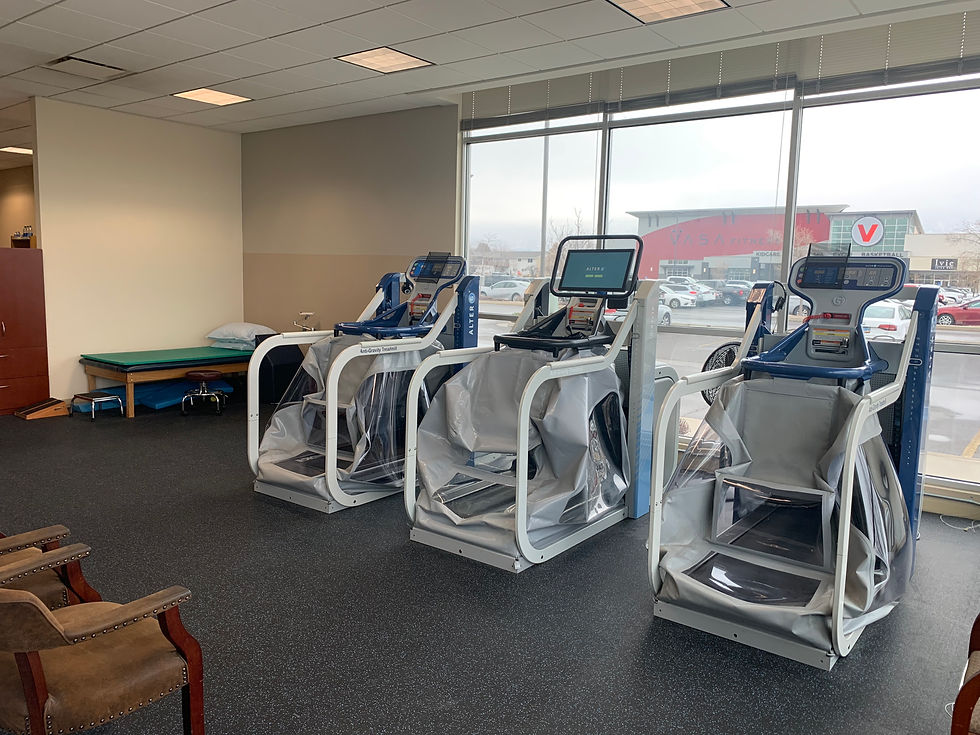
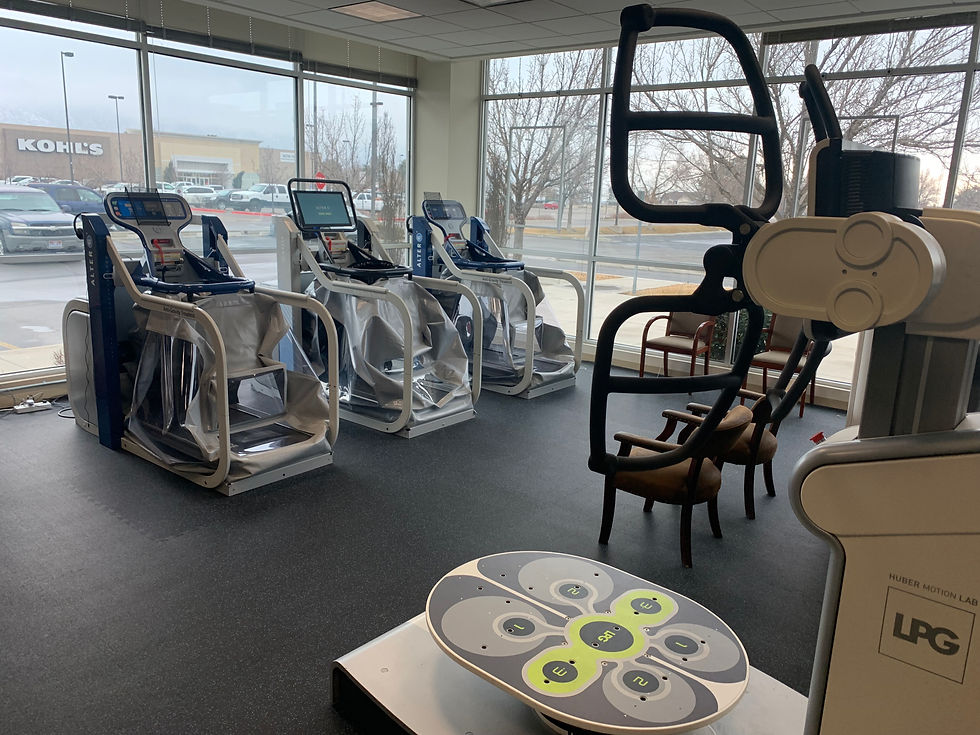
Walking itself can be hard on a sore knee. At Muscle IQ, our AlterG anti-gravity treadmills let you walk with part of your body weight taken off. A small 2026 pilot trial in adults over 50 with knee arthritis found that walking on this kind of treadmill for eight weeks reduced knee pain and improved walking distance compared with no treatment. It was a small study and did not compare against a regular walking program, but it points in a hopeful direction.
How Muscle IQ Approaches Knee Arthritis
Success starts with a thorough evaluation. We take the time to look for all the weaknesses, all the problems, and the medical history that might affect your knee, not just the spot that hurts. We test your muscle strength and look at your hip, back, and ankle as well, because the knee can pay for problems above and below it.
Then we work to restore muscle tone. Hands-on treatment helps calm the tissues sending warning signals. Exercise on equipment like DAVID machines and AlterG treadmills helps strength build without flaring the joint. We explain what we find, and your recovery should never feel rushed. You can read more about how we treat knee pain at Muscle IQ.
Surgery Is Not the Enemy. Good Information Is the Goal.
Sometimes a knee replacement is the right answer. When it is, stronger muscles going into surgery can help afterward too.
The MRI shows the orthopedic surgeon where to put the scalpel. Muscle weakness shows the physical therapist where to treat. Knowing where your weakness is gives you and your doctor better information either way.
Your Knee Can Get Stronger
Arthritis in the knee is common, and it does not have to mean the end of walks, stairs, grandkids, or the trails above Orem. Find the cause. Restore the strength. Pain can go away, and strength is coming.
Take control of your health today by calling Muscle IQ at (801) 310-0851 to schedule your first appointment.
Learn more at MuscleIQ.com.
Comments