

Running Pain That Won't Quit: Why Strength Matters More Than Rest — Muscle IQ in Orem
You took two weeks off. The runner's knee, hip pain, or shin pain finally settled down. Then you laced up for an easy loop on the Murdock Canal Trail, and a mile in, the same pain showed up right on schedule.
If that cycle sounds familiar, you are not doing anything wrong. Rest calms pain. It does not always bring strength back with it.
Pain changes muscle function
Your nervous system controls how strong your muscles are. Think of it as a muscle tone dial, a bit like a volume dial for your muscles. When a tissue is irritated, the warning signals from that area can turn the dial down on the muscles nearby.
Research shows how direct this can be. In one study, healthy volunteers were given brief, experimental knee pain in a lab. Their thigh strength dropped by 5 to 15 percent, and the more it hurt, the more strength they lost. These were healthy volunteers. The pain alone was enough to turn their strength down.
For a runner, that matters. The muscles that absorb each landing are the same ones pain can turn down.
Why the pain comes back when you do
Here is the part rest may not fix. In another lab study, the nervous system's signal to a muscle stayed lower 25 minutes after the pain was completely gone. That study looked at a small hand muscle in healthy adults, not a knee, so it is not proof for runners. But it shows the idea clearly: muscles can stay turned down after the pain has quieted.
We wrote more about this in Why Muscles Can Stay Weak After Pain Is Gone.
So picture the cycle. You rest, and the pain fades. You run again, but the muscles that should be steadying the joint are still not fully on. In our clinical experience, neighboring muscles and tissues can pick up the extra load, get tight and irritated, and the pain can return. Pain can cause muscle weakness, and muscle weakness can cause pain.
That is why "just rest it" and "just push through it" can both fall short. Neither one answers the real question: which muscles are not turning on, and why?
Strength matters more than rest
This does not mean rest is bad. Calming an irritated tissue is often part of the plan. But rest alone may not turn a muscle back on. The key to long-term pain relief is finding muscle weakness and fixing the cause.
At Muscle IQ in Orem, serving runners across Utah County, that starts with testing. A visit begins with hands-on muscle and nervous system testing to find the muscles that are not firing the way they should, and the irritated tissues that may be turning them down. You do not have to be fast or competitive; this is for everyday runners too. We find the weak link, treat the source, and retest to check how your strength responds. Then strength is rebuilt once those muscles are switched back on.
Our sports injury care is built around that idea, and you can read more about the science on our muscle inhibition page.
Not sure which muscles are holding you back? Call Muscle IQ at (801) 310-0851 and we can test it.
Getting back to running without starting over
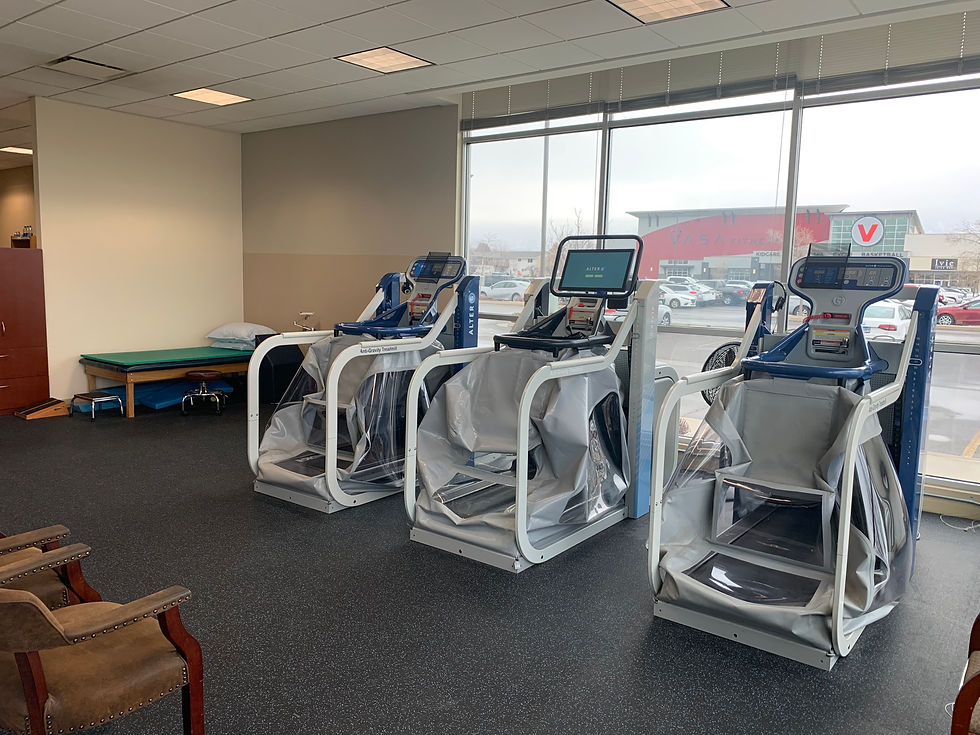
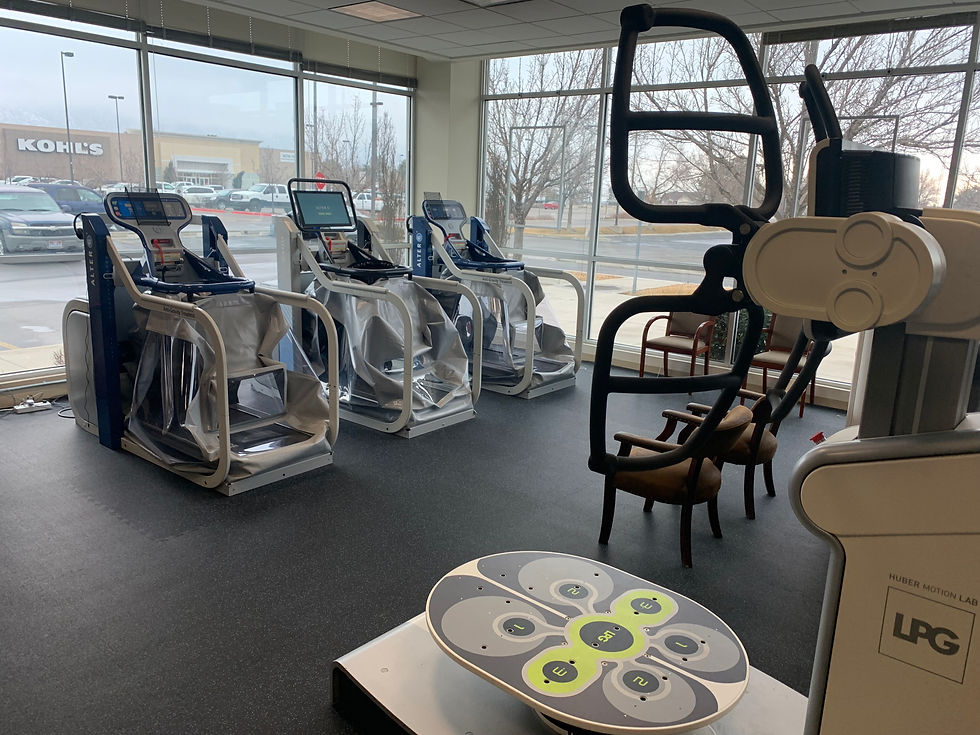
Stopping completely can leave you less fit and no closer to an answer. Muscle IQ has three AlterG anti-gravity treadmills, which take part of your body weight off your legs. Runners who hurt on the road can often run on them without pain. The BYU Athletic Department has two of them.
As strength returns, the goal is simple: back on the Provo River Trail, around Utah Lake, or on your usual neighborhood loop, without waiting for the pain to show up.
When to get running pain checked in Orem
Pain that started with a fall, a pop, swelling you can see, or pain at rest or at night should be seen by a medical provider promptly. But if the same running pain keeps returning every time you build back up, that is a good reason to have it evaluated. The sooner the cause is found, the sooner you can work toward running without pain.
You can get better. Your strength can come back.
Take control of your health today by calling Muscle IQ at (801) 310-0851 to schedule your first appointment.
Learn more at MuscleIQ.com.

Comments