

Sprained Ankle That Still Feels Unstable Months Later — Muscle IQ in Orem

You rolled your ankle on a trail in Provo Canyon, a curb in Orem, or a rec-league court. The swelling went down and the bruise faded. Yet months later the ankle still feels wobbly, and you catch yourself stepping carefully on uneven ground.
If that sounds familiar, you are not imagining it, and it is not simply "bad luck."
The ankle healed. The muscles may not have switched back on.
After an injury, pain and swelling send a steady stream of warning signals to your spinal cord and brain. In response, your nervous system can turn down the strength of the muscles around that joint. This is called muscle inhibition, and it is one way the body protects an injured area.
The trouble starts when the protection outlasts the injury. The muscles that should steady your ankle stay partly "offline," even though the tissue has had time to heal.
Research on joint injuries describes this reflex at the knee in detail, and it notes that other joints, including the ankle, can show similar patterns. In short, the ankle can look healed while the muscles around it are not fully turned on.
Why an unstable ankle keeps getting hurt
Think of your muscle tone as a dial. Pain turns the dial down. When the muscles around the ankle are turned down, they cannot react quickly when your foot lands a little off-balance.
Then the neighboring muscles and tissues have to take up the slack. They work harder, thicken, and can become sore or tight. That may be why some people with a "bad ankle" also notice calf tightness, shin soreness, or a knee that complains more than it used to.
This is also why a repeat sprain is so common. A joint guarded by weak, slow muscles is easier to roll again.
Why "it's just weak" misses the point
Many people assume an unstable ankle simply needs more strength. Strength matters. But if the nervous system is holding a muscle back, effort alone has a hard time getting through.
Research on other injured joints suggests a muscle can seem to recover on a simple strength check while its signal from the brain is still reduced. That is why the first question at Muscle IQ is not "How hard can you push?" It is "Which muscles are not turning on, and why?"
What a Muscle IQ evaluation looks for
At Muscle IQ in Orem, a visit starts with hands-on muscle and nervous system testing. We look for the muscles that are not firing the way they should, and for the irritated tissues that may be turning them down. Our sports injury care is built around that idea: find the weak link, treat the source, and then rebuild strength on a muscle that is ready to use it.
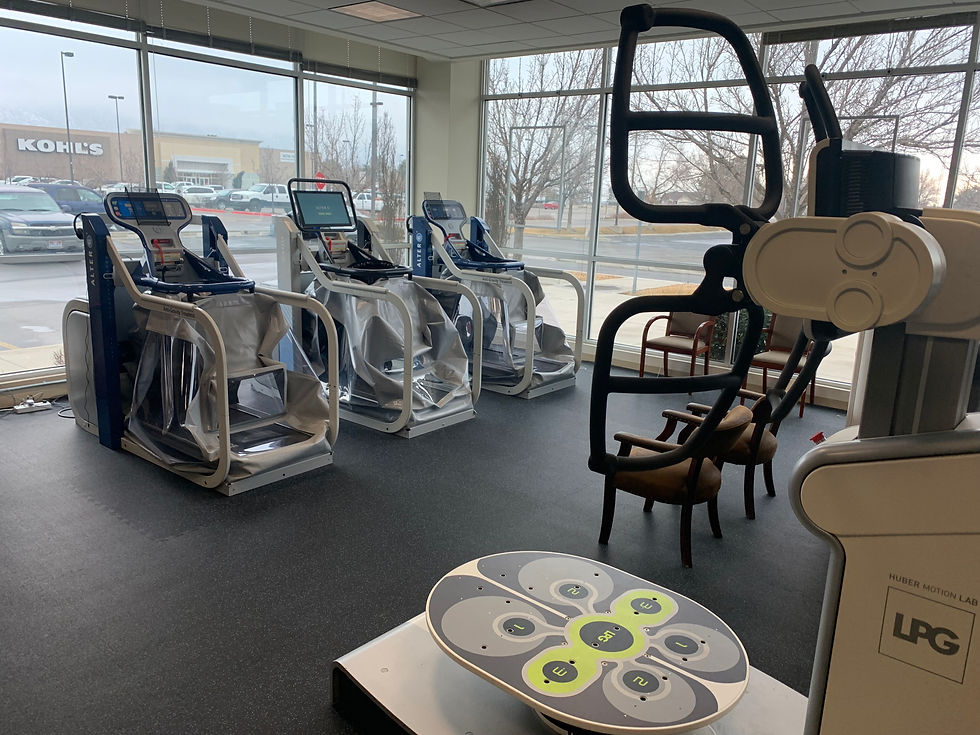
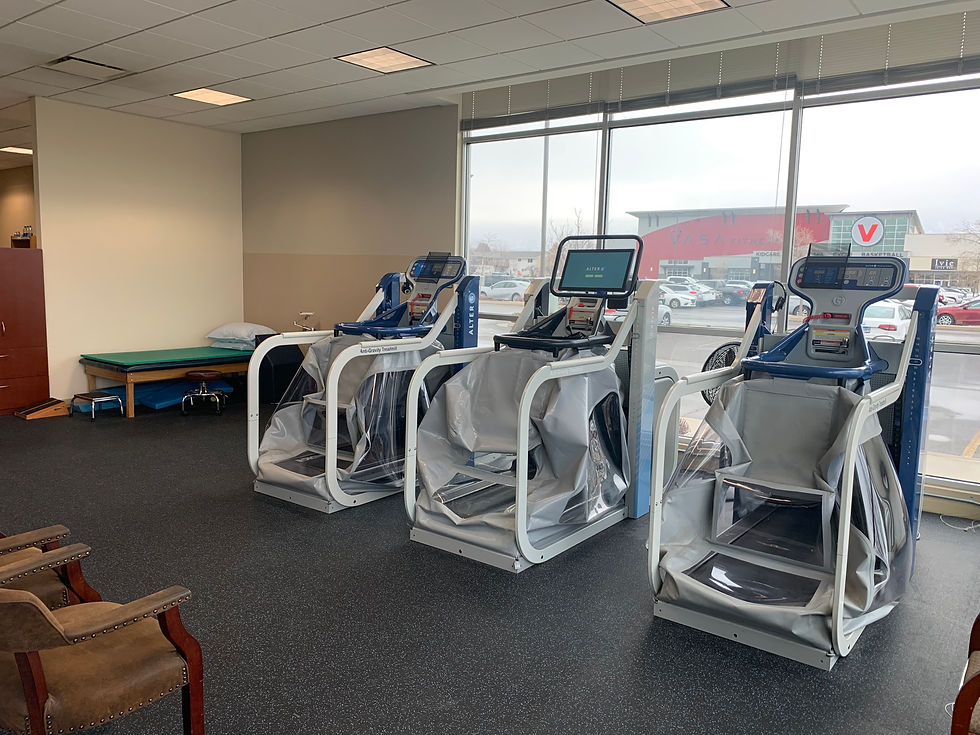
Because we test first, your plan is based on what your ankle is actually doing, not on a one-size-fits-all routine. As the ankle gets stronger and steadier, we can add training that challenges balance and quick reactions, and tools such as our anti-gravity treadmills can help take impact off the joint while you rebuild confidence in walking and running.
You can read more about how this works on our muscle inhibition page.
When to get it checked
Sudden severe pain, an ankle you cannot put weight on, or visible deformity should be seen by a medical provider promptly. But if the ankle is months past the injury and still does not feel trustworthy, that is a good time to have it evaluated. The sooner you get in, the sooner you can get back to the trails, the court, the run, and your normal day.
You can get better. Strength is coming.
Take control of your health today by calling Muscle IQ at (801) 310-0851 to schedule your first appointment.
Learn more at MuscleIQ.com.

Comments